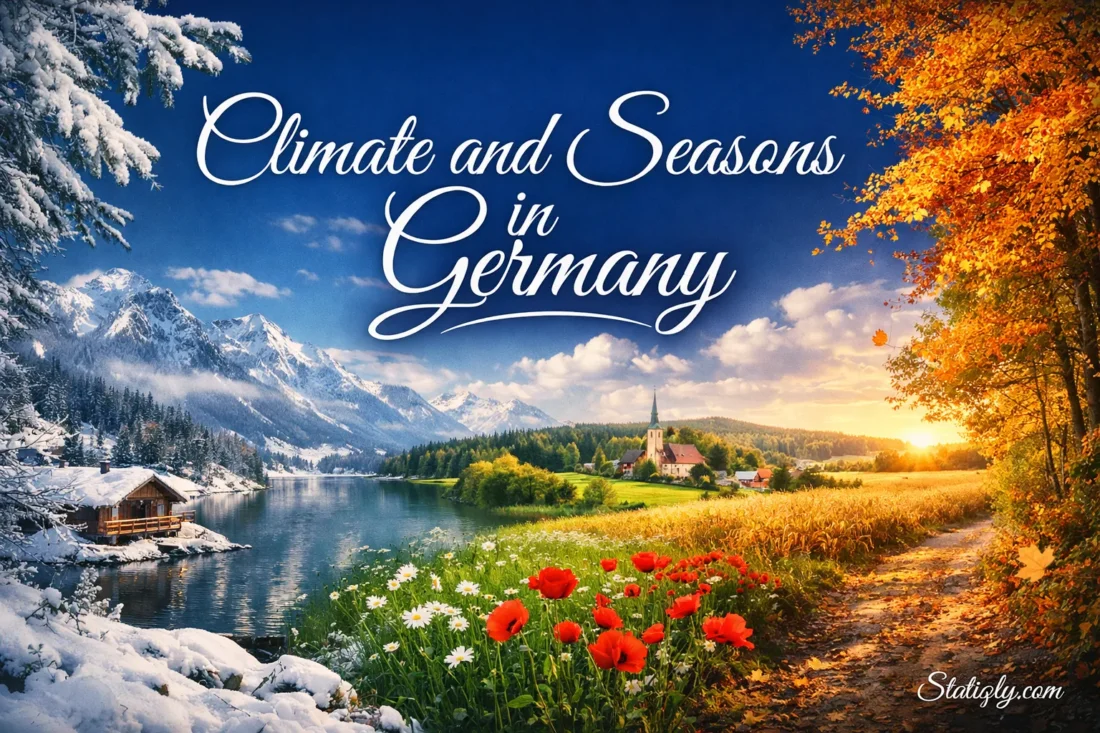
Germany sits in the sweet spot of Europe’s temperate zone. That means four real seasons, plenty of “layer weather,” and regional surprises that keep your suitcase guessing. Ever noticed how a morning can feel crisp, midday turns gentle, and the evening asks for a light jacket again? That rhythm is classic Germany.
Germany Climate Snapshot
Think of Germany’s weather like a well-mixed playlist: ocean influence near the coasts, more “continental” moods in the east, and mountain beats in the south. Use this overview to set expectations fast.
| Area | What It Often Feels Like | What To Watch For | Easy Packing Hint |
|---|---|---|---|
| North & Coasts | Cooler, breezier, more ocean-tempered | Wind, quick cloud shifts, drizzle | Windproof layer + light rain shell |
| West & Rhine Region | Mild winters, moderate summers | Passing rain bands, changeable days | Pack layers that mix easily |
| East (Berlin, Brandenburg, Saxony) | More continental swings | Colder winter snaps, hotter summer spikes | One warm layer + one airy outfit |
| South & Alpine Edge | Cooler at altitude, snowier winters | Rapid mountain shifts, thunderstorms in warm months | Comfortable shoes + extra layer |
How Germany’s Climate Works
Most of Germany sits in a temperate climate with warm summers and cool winters. In climate terms, big parts of the country fall under an oceanic pattern (often labeled Cfb), especially in the west and north. Move east and you’ll notice more continental behavior: bigger temperature swings, clearer winter cold spells, and summer days that can feel surprisingly hot.
Mountains add their own rulebook. The Alps, the Black Forest, and other higher areas tend to be cooler and wetter, with more frequent snow in winter. Valleys can feel calmer and milder, while ridges can flip from sunny to foggy in minutes. It’s like weather has a fast-forward button.
Rainfall Rhythm
Germany gets precipitation in every season. Many regions see moderate rainfall spread through the year, with a slight lift in warmer months when showers and thunderstorms are more common.
- Coasts: more drizzle and wind-driven showers
- Mountains: more frequent precipitation, often heavier
- Some eastern areas: can feel drier at times
Temperature Range
Typical daytime temperatures often land around 0–5°C in winter and 18–25°C in summer in many lowland cities. Local geography matters, so treat these as a practical baseline, not a promise.
- North: usually cooler in summer, milder in winter
- East: more “spiky” cold and heat episodes
- Highlands: reliably cooler, especially at night
Daylight Changes Through The Year
Daylight is the quiet force that shapes how a season feels. In much of Germany, winter days can be short (often around 8 hours of daylight), while summer stretches long (often around 16–17 hours in the north and northeast). That extra evening light makes cities feel lively and gives you more time outdoors—even if you do nothing “special.”
Tiny Tip: If you’re planning walks, day trips, or outdoor markets, check sunset time before you pick your start hour. In winter, late afternoons arrive faster than you expect.
Spring In Germany
Spring is Germany’s “reset button.” Days brighten, parks wake up, and the air often feels clean and crisp. Early spring can still lean cool, especially in the mornings, then gradually turns mild. You might get sunshine, then a light shower, then sunshine again—like the sky is practicing.
What Spring Weather Usually Brings
- Layer-friendly temperatures with cooler nights
- Intermittent rain and occasional windy days
- Fresh greenery and comfortable outdoor strolling
Easy Outfit Formula
Try the simple trio: light sweater, water-resistant jacket, and shoes that don’t mind puddles. Add a scarf and you’re ready for those cooler morning starts.
Summer In Germany
Summer tends to feel warm without being relentless, especially compared with hotter climates. Many days are pleasantly mild, and then—out of nowhere—you can get a hot spell. Cities can feel warmer than nearby countryside, and afternoons may bring thunderstorms that roll in quickly and leave the air smelling “new.”
How It Feels
- Comfortable daytime warmth in many regions
- Occasional hot stretches, more noticeable inland
- Thunderstorms that can pop up after a warm afternoon
Simple Summer Kit
- Breathable tops and a light layer for evenings
- Compact rain jacket for sudden showers
- Comfortable walking shoes for long daylight days
Rhetorical check: Want a summer day to feel effortless? Start early, enjoy the long daylight, then keep one light layer nearby for late-evening cool air.
Autumn In Germany
Autumn is calm, colorful, and a little dramatic in the best way. The air turns sharper, mornings can be misty, and trees shift into deep golds and reds. Early autumn often stays mild, then temperatures slide downward as the weeks pass. It’s a season that rewards slow walks and warm cafés.
What Makes Autumn Distinct
- Crisper evenings and cooler early mornings
- More frequent fog in river valleys and lowlands
- Steadier rain at times, with breezier days in the north
Autumn Packing Shortcut
Bring one warmer layer than you think you’ll need. Autumn days can feel mild, then the temperature drops right after sunset—like someone turned the dial.
Winter In Germany
Winter varies the most by region. The north and west often feel milder, with more rain and wind. The south and higher ground are more likely to see snow and longer-lasting cold. In many cities, daytime temperatures often hover near freezing, and nights can dip below.
What Winter Days Are Like
- Short daylight and cooler, quieter evenings
- Rain or wet snow in milder regions
- More snow potential in the south and at elevation
Comfort-First Clothing Checklist
- Insulating layer (fleece or wool blend)
- Waterproof outer (wet weather is common)
- Warm socks and shoes with good grip
- Hat and gloves for cold snaps
Regional Weather Patterns Across Germany
If you only remember one idea, remember this: Germany’s weather changes by region more than most first-time visitors expect. A forecast that fits Munich may not match Hamburg on the same day. Here’s how to think about the country in practical zones.
North Sea And Baltic Coasts
Expect wind, shifting clouds, and that ocean-cooled feeling in summer. Winters are often milder than inland areas, but can feel colder because of breeze and damp air.
- Best friend: windproof layer
- Nice extra: thin beanie or cap
Eastern Lowlands And Berlin Area
More continental influence means sharper contrasts. Winter cold snaps can feel more intense, and summer heat can feel stronger than you’d guess from a map.
- Best friend: flexible layers
- Nice extra: light, breathable summer clothing
Rhine Valley And Western Cities
Often on the milder side, especially in winter. Weather can be changeable, so a small rain layer pays off. Spring and autumn can feel especially comfortable here.
- Best friend: compact rain jacket
- Nice extra: comfortable walking shoes
Bavaria And The Alpine Edge
Higher elevations mean cooler temperatures and more snow potential in winter. Warm months can bring bright days and quick thunderstorms. If you hike, treat the forecast like a suggestion—then prepare for surprises.
- Best friend: extra layer for evenings
- Nice extra: weather-ready footwear
When The Weather Feels “Unpredictable”
Germany’s reputation for changeable skies is mostly about fast transitions, not chaos. One day can shift because of moving Atlantic weather systems, local wind patterns, or mountain effects. Instead of fighting it, plan for it.
- Dress in layers so you can adjust in minutes.
- Keep a light rain layer in your day bag.
- Use footwear that handles wet pavement and long walks.
- Check the forecast twice: once the night before, once in the morning.
A Simple Metaphor That Helps
German weather is like a good travel partner: mostly steady, occasionally spontaneous, and much easier to enjoy when you stay flexible.
Practical Planning By Season
Use this as a quick planning tool for comfort. It’s written for real days: walking, short trips, city exploring, and outdoor time without overthinking it.
| Season | Best-Feeling Clothing Strategy | One “Don’t Forget” Item | Small Comfort Upgrade |
|---|---|---|---|
| Spring | Light layers you can add or remove | Rain shell | Scarf for cool mornings |
| Summer | Breathable basics + evening layer | Light jacket for storms | Comfortable walking shoes |
| Autumn | Medium layers with a warmer top option | Water-resistant outer | Extra layer for sunset chill |
| Winter | Insulation + waterproof outer layer | Warm socks | Gloves for cold snaps |
Micro-Weather Moments You’ll Actually Notice
- Morning chill even on sunny days, especially in spring and autumn.
- City centers that feel warmer than nearby parks, especially in summer.
- Foggy starts near rivers and lakes in autumn and winter, often clearing later.
- Mountain areas where weather can turn quickly—sun to cloud to shower, then back again.
A Quick Self-Check Before You Go Out
- Is it windy? If yes, add a windproof layer.
- Is rain possible? If yes, bring a compact rain shell.
- Will you be out after sunset? If yes, pack one warmer layer.