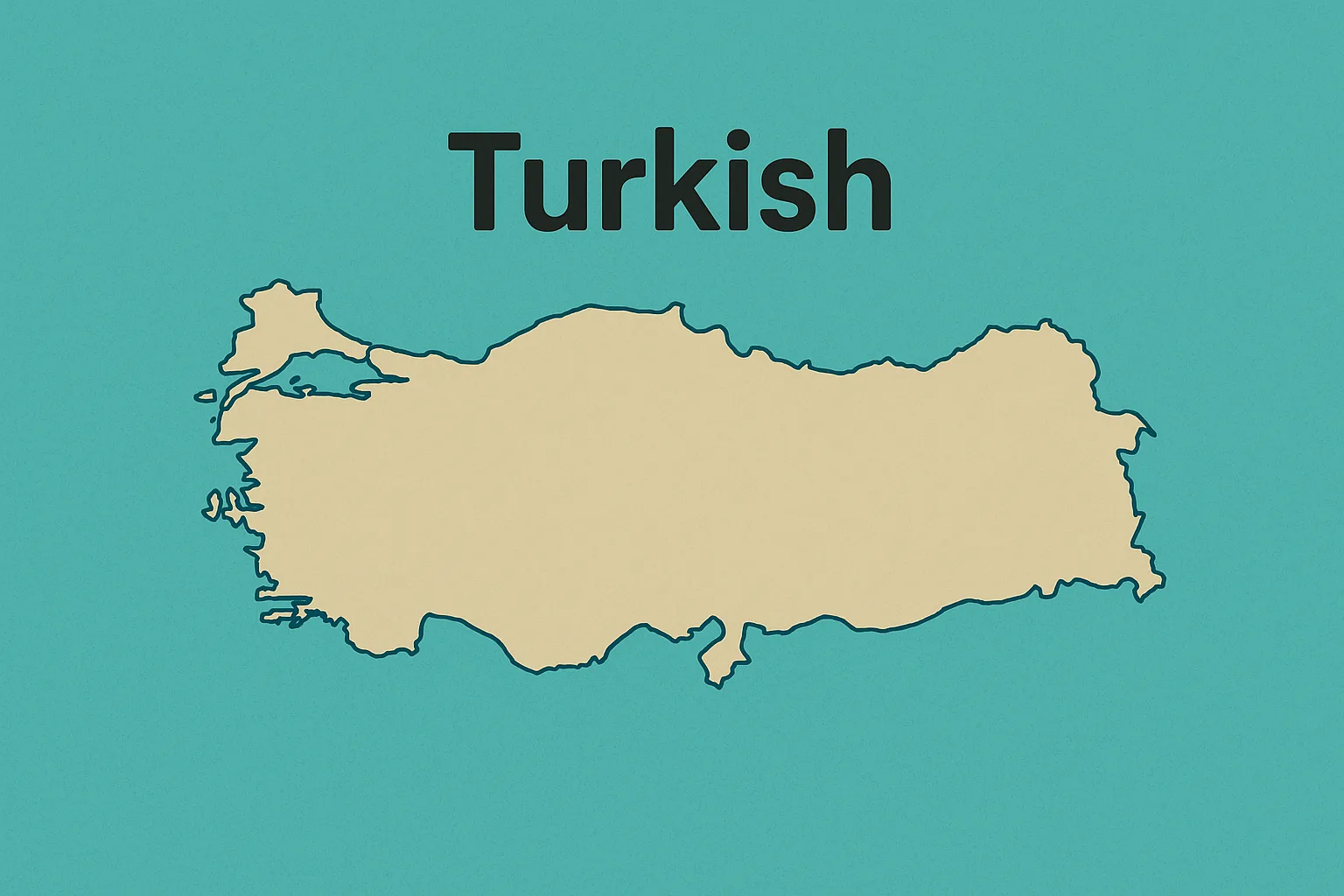
More Than Just Turkish: The Symphony of Voices in Turkey
Walking through the bustling streets of Istanbul or the quiet villages of the Black Sea, you don’t just hear a language; you hear a history.
Have you ever stood in a spice bazaar, eyes closed, just listening? If you do this in Turkey, you’ll realize something fascinating. While everyone assumes it’s all just Turkish, the air is actually filled with a rich mosaic of sounds. As someone who has wandered from the olive groves of the Aegean to the snowy peaks of the East, I can tell you: Turkey is a linguistic bridge connecting worlds.
Sure, Turkish is the conductor of this orchestra, but there are many other instruments playing in the background. Understanding this landscape doesn’t just help you navigate; it helps you feel the soul of the country.
The Big Boss: Turkish (Türkçe)
Here is the reality: Turkish is the undisputed king here. It is spoken by roughly 90% of the population as a first or second language. But don’t let that intimidate you. Think of Turkish grammar like playing with Lego bricks.
You start with a base piece (the root word) and just keep snapping colorful bricks (suffixes) onto the end to change the meaning. It’s logical, mathematical, and surprisingly fun once you get the rhtyhm of it.
Why does this matter to you? Because even knowing one or two words acts like a magic key. The moment you say “Teşekkür ederim” (Thank you) instead of “Thanks,” the hospitality level upgrades from ‘standard’ to ‘legendary’.
💡 Fun Fact
Turkish has vowel harmony. Words are designed to sound musical and smooth. If a word starts with hard vowels, it ends with hard ones. It flows like water.
The Cultural Tapestry: Regional & Minority Languages
Turkey sits right where continents collide, so naturally, languages have been mixing here for thousands of years. It’s not just one flavor; it’s a full buffet.
- Kurmanji (Kurdish): Predominantly heard in the energetic southeast and eastern parts of the country. It has a song-like quality to it. If you travel to cities like Mardin or Van, this ancient language fills the tea gardens.
- Arabic: Due to historical ties and geography (neighboring the Arab world), distinct dialects of Arabic are spoken, particularly around Hatay and Şanlıurfa. It’s a bridge to the cuisines and history of the Levant.
- Zazaki: A unique Indo-European language spoken in eastern Anatolia. It’s distinct, deeply rooted, and fascinating to linguists.
Hidden Gems: The Endangered Whispers
This is where it gets really interesting for culture hunters. In the lush, rainy mountains of the Black Sea, you might hear Laz—a language related to Georgian, spoken by people as energetic as the stormy sea next to them. Or, wander into the old streets of Istanbul and Izmir, and you might catch faint traces of Ladino.
“Ladino is the Spanish of Cervantes, preserved in a time capsule by the Jewish community of Turkey for over 500 years.”
Can You Survive with Just English?
Short answer: Yes, absolutely.
Long answer: It depends on where you get lost. In tourism hotspots like Istanbul, Cappadocia, Antalya, and Bodrum, English is widely spoken. Shopkeepers, hoteliers, and waiters usually speak enough English to sell you a carpet or serve you a delicious kebab. You’ll also hear plenty of:
However, if you venture off the beaten path into rural villages (which you definitely should), English fades away fast. That’s where the universal language of smiles and hand gestures takes over.
Cheat Sheet: Words That Open Hearts
Don’t be that tourist who points and grunts. Try these. Even if you butcher the pronunciation, the effort is worth gold.
| English | Turkish | How to Say It (Roughly) |
|---|---|---|
| Hello | Merhaba | Mair-ha-bah |
| Thank you | Teşekkürler | Tesh-ek-kur-ler |
| Yes / No | Evet / Hayır | Eh-vet / High-uhr |
| Very Beautiful | Çok Güzel | Choke Goo-zel (Magic phrase!) |
| Cheers! | Şerefe | Share-eh-feh |
Turkey isn’t just a place to see; it’s a place to listen. Whether it’s the call to prayer echoing at dusk, the haggling in the bazaar, or the whisper of history in ancient ruins, the languages here tell a story of coexistence. So, pack your bags and open your ears.
Ready to explore more? Dive into our other guides on statiqly.com to uncover the numbers behind the culture!