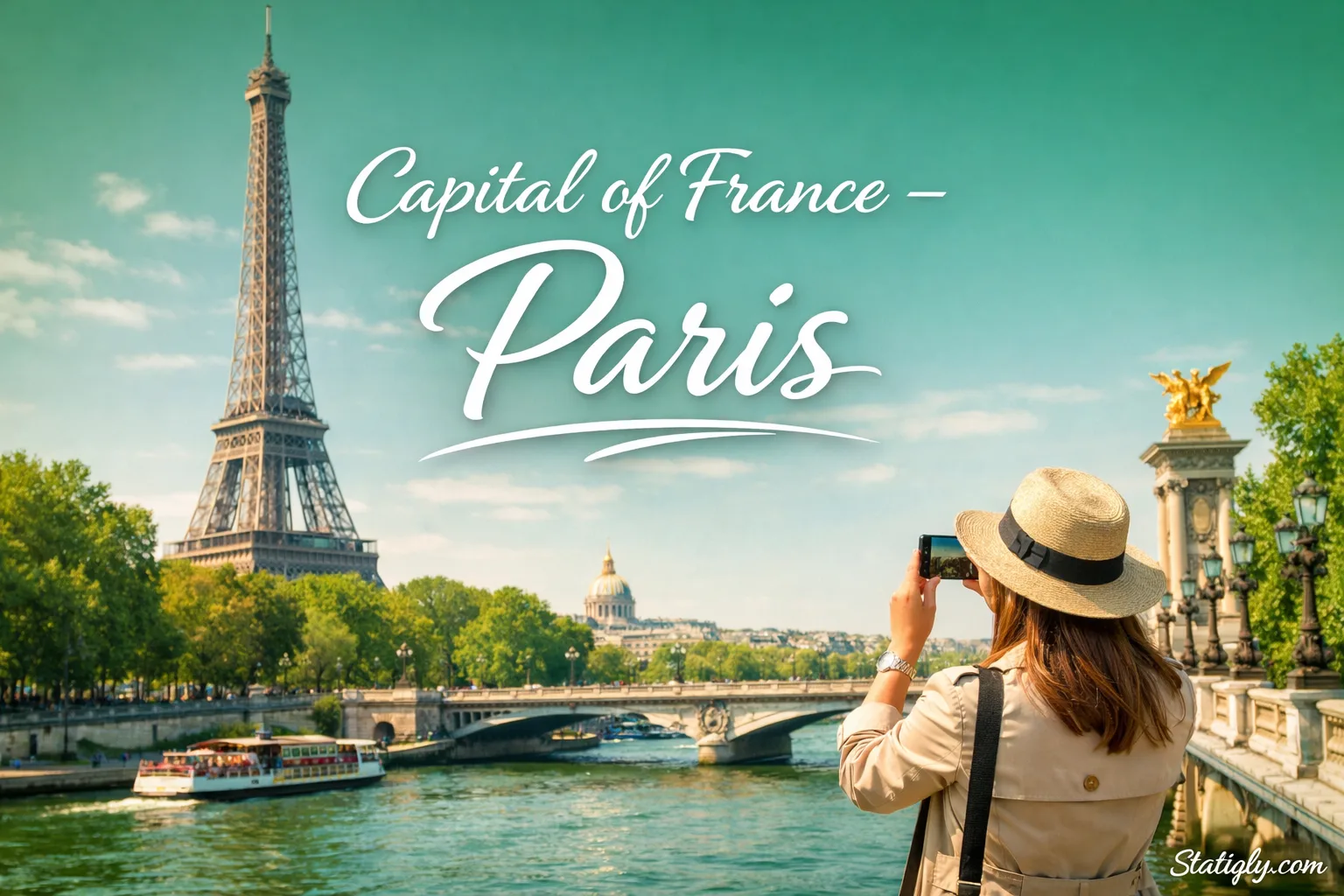
Paris is the capital of France, and it feels a bit like a beautifully organized bookshelf: every “shelf” has its own mood, story, and rhythm. Come for the icons, stay for the everyday magic—fresh bread at a corner bakery, a park bench by the Seine, and streets that seem to invite slow walks.
A Friendly Look At Paris As The Capital Of France
If you’re searching for a Paris city guide that stays practical, you’re in the right place. Paris is where many of France’s national museums, major cultural venues, and well-known landmarks cluster together—so it’s easy to plan a trip that mixes history, art, food, and green spaces.
- Best For: art lovers, café people, architecture fans, families, first-time Europe travelers
- Currency: Euro (€)
- Language: French (English is common in tourist areas)
- City Layout: 20 arrondissements arranged like a spiral
Want one simple mindset for planning? Think of Paris like a menu: you don’t need to order everything. Pick a few “signature dishes” (big sights), then leave room for surprises (small streets, markets, parks). That’s when the city starts to feel personal.
Rhetorical Question: Would you rather rush through ten famous places, or really remember three?
Where Paris Sits On The Map
Paris sits in northern France, built around the River Seine. The Seine acts like a soft ribbon through the city, helping you orient yourself as you explore. Many popular neighborhoods and landmarks are either on the river or within an easy walk of it.
Left Bank Versus Right Bank
Locals often describe areas as the Right Bank (north side) and the Left Bank (south side). It’s not a rulebook—more like a helpful compass.
- Right Bank: many major museums, shopping streets, classic boulevards
- Left Bank: literary vibes, gardens, university energy, smaller lanes
When The City Feels Most Like Itself
Paris is enjoyable year-round, but the “feel” changes. Spring brings blossoms and longer light. Summer stays lively late into the evening. Autumn turns parks golden. Winter is cozy—think warm cafés and museums.
Tip: If you prefer calmer streets, aim for early mornings and weekday museum visits.
Landmarks That Define The Paris Skyline
Yes, the famous sights are worth it. Not because they’re “must-do” boxes—because they’re genuinely impressive. The trick is pacing. See one big landmark, then balance it with a slower hour somewhere nearby.
Eiffel Tower and Champ De Mars
The Eiffel Tower is Paris’s most recognizable silhouette. Visit by day for crisp views, then consider coming back at night when the city’s lights feel like scattered stars.
The Louvre Museum and Tuileries Garden
The Louvre is huge—plan a focused visit. Pick one theme (Italian Renaissance, ancient sculpture, French painting) and enjoy it deeply. Then breathe in the open space of the Tuileries.
Montmartre and Sacré-Cœur
Montmartre feels like a village on a hill. Wander side streets, pause for a coffee, and enjoy the view near Sacré-Cœur. Go earlier in the day for a gentler pace.
Île De La Cité and The Heart Of The Seine
In the middle of the river, Île de la Cité is one of the city’s historic cores. Even a short walk here feels like turning a page in an old book.
Neighborhoods To Explore For Real Paris Energy
Paris rewards curiosity. Step off the main avenues and you’ll notice tiny galleries, pastry windows, bookshops, and parks tucked like little secrets. Which area should you choose first? Use what you like as your guide.
| Area | Why It’s Worth Your Time | Best Simple Plan |
|---|---|---|
| Le Marais | Historic streets, boutiques, museums, cafés | Late morning walk + museum + snack break |
| Saint-Germain-Des-Prés | Classic Left Bank atmosphere, bookish corners | Café stop + garden stroll + small gallery |
| Latin Quarter | Lively lanes, student vibe, easy wandering | Pick a landmark + let yourself get “lost” |
| Canal Saint-Martin | Relaxed waterfront feel, local hangouts | Afternoon walk + picnic-style bites |
| Montmartre | Hilltop views, artsy mood, charming steps | Early visit + viewpoint + slow lunch |
Getting Around Paris Without Stress
Paris is surprisingly walkable in many central areas. Add public transport and the city opens up fast. Think of the transit network as a set of “shortcuts” that let your feet do the fun part.
| Option | Why People Love It | When To Use It |
|---|---|---|
| Metro | Fast, frequent, great coverage | Crossing the city, museum days, evenings |
| RER Trains | Useful for longer hops and outer areas | Airport connections, day trips, major hubs |
| Buses | Scenic rides above ground | When you want views while you move |
| Walking | Best way to notice details | Central neighborhoods, riverbanks, parks |
| Bikes | Flexible, breezy, fun | Seine paths, canals, long sunny afternoons |
Small Habits That Make Transport Easier
- Screenshot your route when you have a good signal (simple, effective).
- Group sights by neighborhood—less crisscrossing, more enjoyment.
- Build in “buffer time” so your day feels spacious, not squeezed.
And yes, the city is very doable without a car. Most visitors find it simpler that way.
Eating In Paris Like A Happy Human
Paris food culture doesn’t need fancy words. It’s about rhythm: breakfast pastries, a relaxed lunch, a small afternoon treat, then dinner when you’re truly hungry. The city’s bakeries and markets are often the most memorable “restaurants” of all.
Tasty Things To Look For
- Boulangerie: bread and pastries (try a fresh croissant)
- Pâtisserie: desserts that look like jewelry
- Fromagerie: cheese shops with incredible variety
- Marché: open-air markets for fruit, snacks, picnic supplies
A Smooth Way To Order
A warm greeting goes a long way. A simple “Bonjour” is like the key that opens many doors. Then you can point, ask politely, and enjoy.
Tiny Tip: Sit-down meals feel best when you give them time. Rushing makes everything taste less special.
Culture and Museums That Feel Alive
Paris is often called an “open-air museum,” and you’ll see why—statues, bridges, façades, and grand avenues are everywhere. Still, the best cultural moments can be small: a quiet gallery, a street musician, a bookstall by the river. That mix is what keeps Paris from feeling like a postcard.
A Museum Strategy That Actually Works
- Choose A Theme (one era, one artist, one wing).
- Set A Time Limit so you leave energized, not drained.
- Pair It With A Park or café nearby to reset your brain.
This sounds simple because it is. And it works remarkably well.
Easy Paris Itineraries You Can Actually Enjoy
Too many plans turn a dream trip into homework. Here are a few flexible routes. Swap items as you like—Paris is forgiving that way.
One Day: Classics With Breathing Room
- Morning: Seine walk + a bakery stop
- Midday: one major museum (focused visit)
- Afternoon: garden time + café break
- Evening: viewpoint or riverside stroll
Two Days: A Blend Of Icons and Local Streets
- Day 1: big landmarks + riverbanks
- Day 2: neighborhood wandering + markets + a smaller museum
Here’s the secret: leave one open slot each day. That’s where the best memory often lands—unexpected, easy, and perfect.
Practical Tips For A Smooth Paris Visit
Timing That Feels Good
- Start earlier than you think—mornings are calmer.
- Use afternoons for parks, cafés, and slower streets.
- Reserve evenings for views, riverside walks, and dinner.
Tickets and Planning
For popular attractions, booking ahead can make the day feel seemlesly smoother. If you prefer spontaneity, mix one reserved activity with open exploration.
Rhetorical Question: What’s the point of a perfect plan if you never get to enjoy it?
Simple Etiquette That Makes A Big Difference
- Greet first: Bonjour in the daytime, Bonsoir in the evening.
- Keep your voice relaxed indoors—cafés and shops feel calmer that way.
- Stand to the side if you stop to check your phone, especially on busy sidewalks.
Easy Day Trips From Paris
One of the best things about staying in the capital of France is how easily you can branch out. If you have extra time, day trips add variety without complicated logistics.
- Palace of Versailles: grand rooms, gardens, and a big “wow” factor
- Giverny: garden-focused, peaceful, perfect for a slower day
- Reims: cathedral beauty and a charming city feel
Common Questions About The Capital Of France
Is Paris A Good First Trip To France?
Yes. Paris gives you a broad taste of France’s culture, food, museums, and city life in one place. It’s also easy to move around once you learn the basics of the Metro.
How Many Days Feel “Enough” In Paris?
Many travelers enjoy 3 to 5 days for a balanced mix of landmarks and neighborhoods. Shorter trips can still feel satisfying if you keep plans light and grouped by area.
What’s A Calm Way To Experience The Capital Of France?
Start with one major sight, then spend the rest of the day on simple pleasures: a park, a café, a long walk, a market stop. Paris shines when you give it a little space.