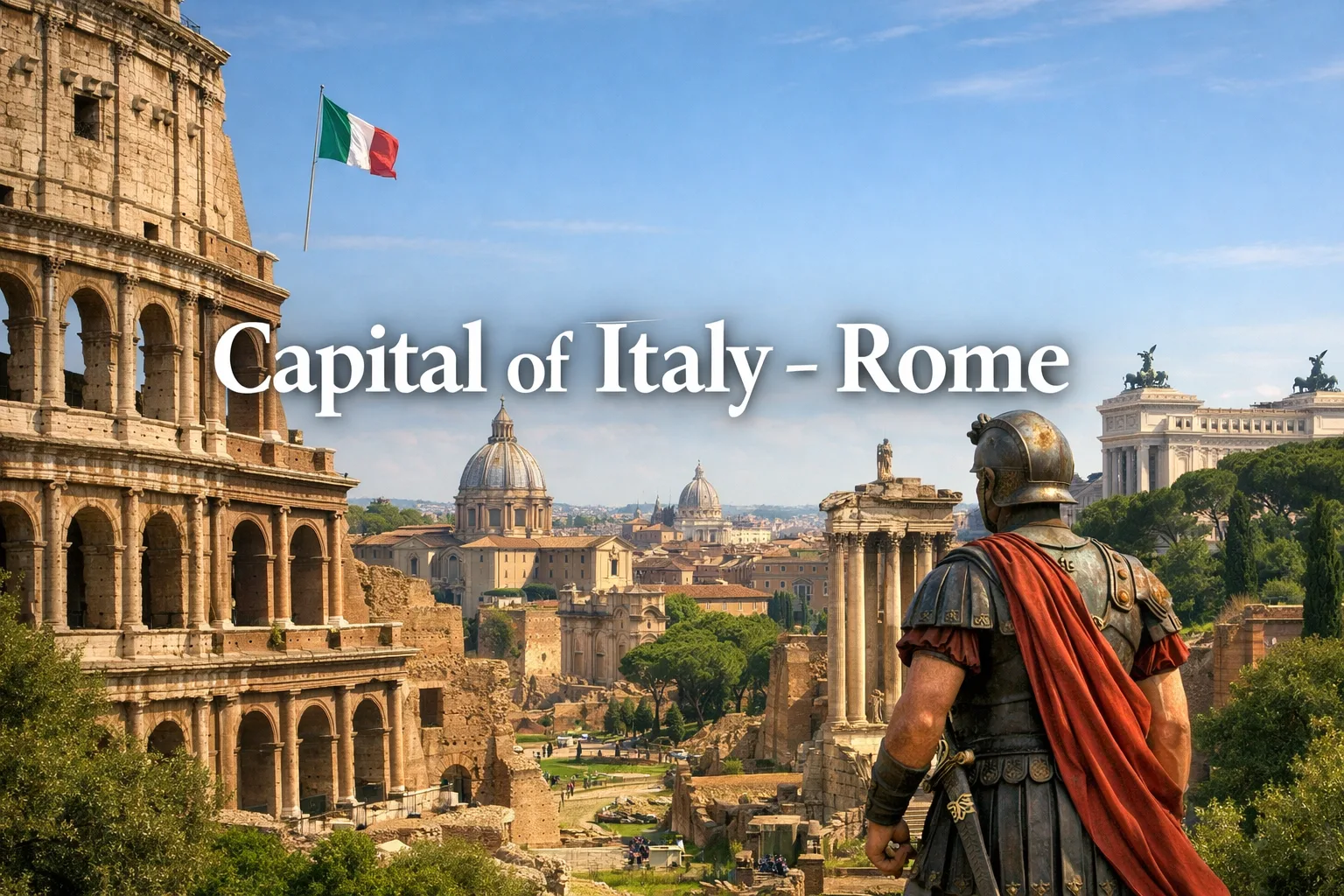
Capital Of Italy – Rome
Think of Rome as a living museum that still feels like a real, everyday city. One moment you’re sipping espresso on a sunny corner, the next you’re turning into a quiet lane where the stone looks warm, almost like it’s holding sunlight. Want a guide that’s practical, easy to use, and packed with the details that actually help you plan? You’re in the right place.
Rome is Italy’s capital, and it wears that role effortlessly—like a classic coat that still fits perfectly. The city sits along the Tiber River, spreads across hilltops and lively neighborhoods, and rewards curiosity at every pace. Are you here for iconic sights, food worth traveling for, or a simple plan that keeps you relaxed? Let’s map it out.
Quick Start For A Smooth Rome Trip
- Best First Step: Choose a base neighborhood so you waste less time commuting.
- Most Time-Saving Move: Pre-book big-ticket sights you truly care about.
- Most Rome-Friendly Plan: Pair one “major” sight with slower moments (a park, a piazza, a long lunch).
- Comfort Tip: Wear walking shoes you already trust. Rome is beautiful… and stubbornly cobbled.
Why Rome Feels Like The Heart Of Italy
Rome isn’t just a checklist city. It’s more like a layered cake—each neighborhood adds a new texture. You’ll see grand monuments, yes, then you’ll notice the small stuff: a flowered balcony, a bakery window, a lively market stall. That mix is the magic.
A City Built For Wandering
Rome rewards slow steps. Many highlights sit close together, so you can stitch your day with short walks and long stops.
Ancient Meets Everyday
Iconic ruins share space with cafés, parks, and neighborhoods where locals live, shop, and linger.
Food That Feels Personal
Simple Roman dishes can taste wildly different from place to place. Finding your favorite becomes part of the trip.
Rome Overview
| Topic | What To Know |
|---|---|
| Region | Lazio (central Italy) |
| Language | Italian (English is common in major visitor areas) |
| Currency | Euro (€) |
| Local Rhythm | Late dinners, lively evenings, relaxed coffee breaks |
| Typical Trip Length | 2–4 days for highlights; 5–7 days for a slower, deeper visit |
| Core Experience | Walkable historic center + big landmarks + neighborhood dining |
Best Time To Visit Rome For Comfort And Flow
Rome works year-round, yet the feel changes a lot. Do you want soft light and long strolls, or a faster, buzzier city? Pick your vibe.
Spring
Fresh air, comfortable walking days, and parks that feel inviting. A sweet spot for first-timers.
Summer
Long days and late evenings. Plan early starts, shade breaks, and slow lunches to stay happy.
Autumn
Great walking weather returns, with a calmer feel than peak summer. Ideal for photos and food-focused trips.
Winter
Shorter days, cozier cafés, and a more local pace. Perfect if you prefer indoor sights and quieter streets.
How To Get Around Rome Without Stress
Rome is a “walk first” city. When your feet need a break, the public network helps you bridge longer distances.
- On Foot: The historic center is compact, and walking reveals the best surprises.
- Metro: Useful for a few key corridors; pair it with walking.
- Buses And Trams: Handy for neighborhood hops; expect occasional slowdowns in busy hours.
- Taxis And Rides: Great late at night or when you’re dressed up for dinner.
- Best Mindset: Plan “clusters” of sights so you’re not crossing the city back and forth.
A Tiny Trick That Saves Time
Rome days go smoother when you choose one main area for the morning and another for the evening. It’s like folding a map neatly instead of crumpling it.
Top Sights That Define Rome
If you only see a handful of places, pick the ones that match your personal “Rome story.” Big monuments? Art? Scenic streets? You can’t do it all, so make it yours.
- Colosseum – A powerful first stop. Arrive early for calmer views.
- Roman Forum – A walk through open-air ruins and viewpoints.
- Pantheon – A masterclass in space and light. Step inside and look up.
- Trevi Fountain – Go at dawn or late evening for a gentler moment.
- Spanish Steps – A classic meeting point with stylish streets nearby.
- Piazza Navona – A stage-like square made for slow walks and people-watching.
- Villa Borghese – Green space with viewpoints and museums.
- Vatican Museums – World-class art collections; pre-book if it’s a must for you.
Pick Your “Big Three”
Try this: choose one ancient landmark, one art-focused stop, and one slow neighborhood. It keeps your day balanced and your energy steady.
Rome Food To Try
Roman food is comfort with confidence. You’ll notice it’s not fussy. It’s direct, bold, and satisfying—like a good story told in a single breath.
- Cacio E Pepe: Cheese, pepper, and technique. Simple on paper, unforgettable when done right.
- Carbonara: Creamy without cream. Look for a silky sauce and a rich finish.
- Supplì: Crispy rice bites—perfect for a quick snack between walks.
- Maritozzo: A sweet bun with cream that feels like a small celebration.
- Gelato: Choose a couple of flavors and take your time. No rush.
Ordering Tip
If the menu feels long, start with one Roman classic and one seasonal dish. You’ll get a taste of tradition and something fresh on the same table.
Where To Stay In Rome By Travel Style
Your hotel location shapes your whole trip. Want to step outside and instantly see famous streets, or would you rather come home to a calmer neighborhood?
| Area | Best For | Quick Feel |
|---|---|---|
| Centro Storico | First-timers who want maximum walkability | Classic, central, always close to something |
| Trastevere | Evenings out and a lively neighborhood vibe | Charming lanes, social energy, great dining |
| Monti | Style lovers and café hopping | Trendy corners, boutique feel, easy access |
| Prati | Clean lines, shopping streets, museum days | Orderly, comfortable, pleasant for families |
| Testaccio | Food-focused visitors seeking local flavor | Down-to-earth, authentic, market-friendly |
Easy Rome Itineraries You Can Actually Follow
These plans are built to feel good, not frantic. Swap items based on your interests and energy. One rule: leave space for detours.
2 Days In Rome
- Day 1 (Core Classics): Colosseum area → Forum viewpoints → a long lunch → Pantheon zone → evening piazza stroll.
- Day 2 (City Mood): Villa Borghese or a museum morning → Trevi Fountain → Spanish Steps area → sunset walk and dinner.
Tip: If one day feels packed, drop one stop and add a café break. You’ll remember the ease.
4 Days In Rome
- Day 1: Colosseum + Forum area, slow evening in Monti.
- Day 2: Pantheon + nearby streets, Trevi at a quiet time, relaxed dinner.
- Day 3: Art-focused day (museum/collections), park time, sunset viewpoint.
- Day 4: Neighborhood day (Trastevere or Testaccio), markets, and a final “favorite place” revisit.
Tip: This is the pace most people secretly wish they chose.
What Rome Costs In Real-Life Terms
Prices change, so it helps to think in “feel” instead of exact numbers. Use this as a quick compass.
Rome Planning Checklist Before You Go
- Choose your base: Centro Storico for walkability, Trastevere for evenings, Monti for style.
- Decide your top 2–3 “must-see” places, then pre-book only those.
- Build daily “clusters” (nearby stops) so you’re not zigzagging all day.
- Pack for walking: comfortable shoes, light layers, a small water bottle.
- Leave open time. Rome is famous for detours that turn into memories.
One Last Friendly Nudge
Don’t try to “win” Rome. Let it happen. If you feel tired, sit in a piazza, order something small, and watch the city move. I highly recomend doing that at least once.