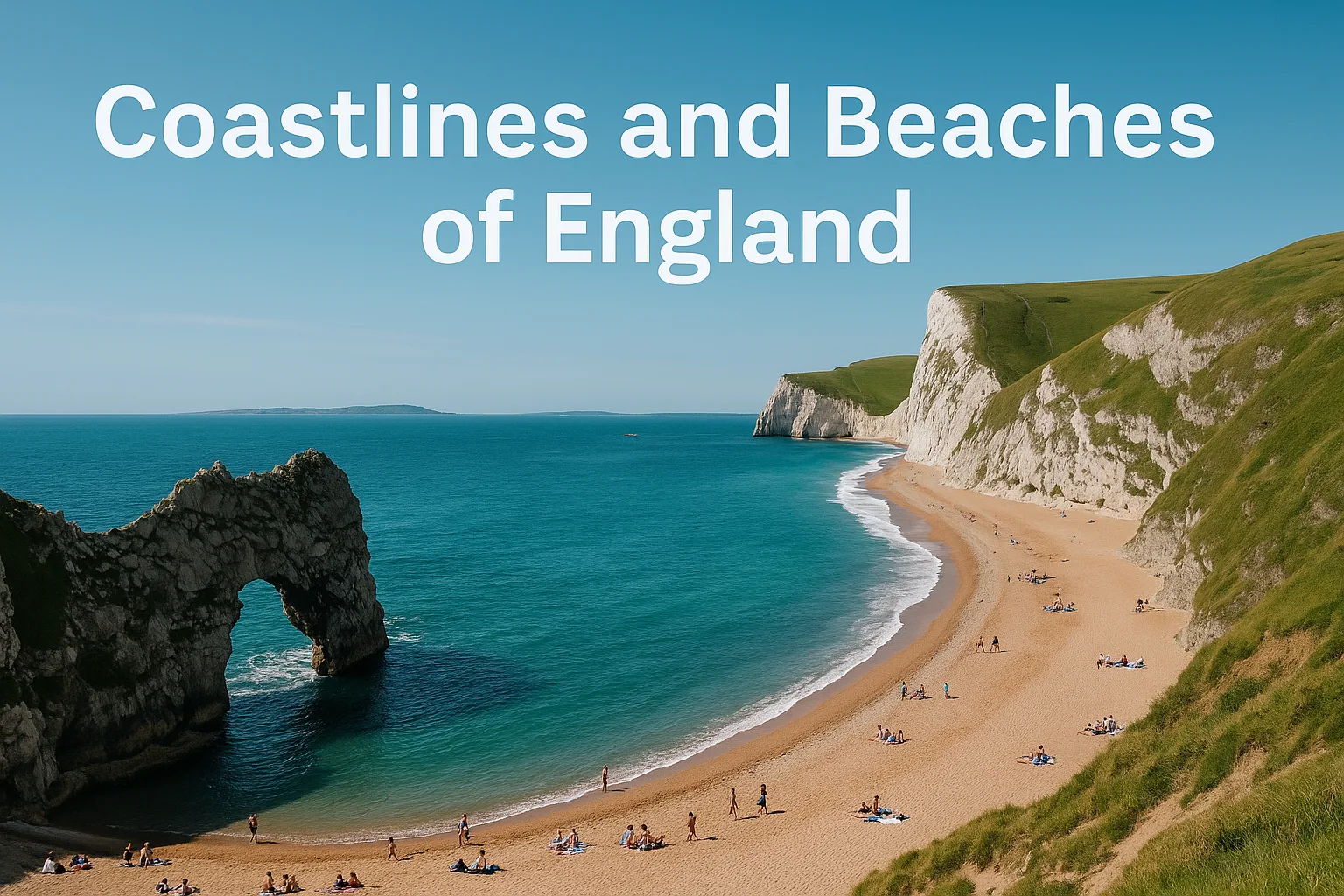
Coastlines and Beaches of England: A Friendly Guide to Sea, Sand and Cliffs
Think of England as a long, winding ribbon of coastline wrapped around green countryside. More than 2,000 miles of shores curve around the country, from castle-dotted sands in the north to surfer bays in the far south west.
This guide walks you through the main coastal regions, the most loved beaches in England, and simple tips to enjoy them – whether you want a quiet walk, a family day out or a long beach holiday.
Quick snapshot
• 2,000+ miles of coast in England
• 76 Blue Flag beaches (2025)
• Sandy coves, pebble bays, tall cliffs and long dunes
Best months to visit
For warm, long days at the beach, aim for June to September.
How England’s Coastline is Shaped
Walk a few miles along the English shore and you may pass soft sand, shingle beaches, mudflats, salt marsh, then high cliffs. The coast changes fast, because the sea is always reshaping it like a slow, steady sculptor.
To plan a trip, it helps to see England’s coast in four simple zones:
- South Coast – classic seaside towns, pebble beaches, sheltered bays.
- South West – Cornwall and Devon, with Atlantic surf, rugged cliffs and golden coves.
- East Coast – big skies, dunes and wide sandy beaches in Norfolk, Suffolk and beyond.
- North & North East – quieter, wild feeling beaches, castles and long walking routes.
Key Coastal Regions and Signature Beaches
1. South Coast of England
The south coast stretches from Kent across Sussex and Hampshire to Dorset. Here you find graceful promenades, historic piers and a mix of sand and smooth pebbles.
- Brighton Beach – buzzing seafront, cafes, bars and a famous pier.
- West Wittering (West Sussex) – wide sandy bay, shallow water, great for families and wind sports.
- Camber Sands (East Sussex) – almost 5 miles of sand backed by rolling dunes, popular for kitesurfing and long walks.
Many beaches here are easy to reach by train or bus, which makes the south coast a simple choice for a short seaside escape.
2. South West: Cornwall & Devon
Cornwall and Devon sit on England’s far western edge. This is surf country, with a wilder feel and many small coves hidden between cliffs. Some places here almost look Mediterranean on a sunny day.
- Fistral Beach (Newquay) – famous for steady Atlantic waves and surf schools.
- Kynance Cove – turquoise water, rocky stacks and soft sand at low tide.
- Woolacombe & Saunton Sands – long, gently sloping beaches in North Devon, ideal for families and beginner surfers.
The South West Coast Path runs for hundreds of miles along this shore, so you can link beach days with scenic cliff-top walks.
3. East Coast: Norfolk & Suffolk
The east coast looks out over the North Sea. Here you’ll often find huge skies, long sandy beaches and wildlife-rich marshes.
- Holkham & Wells-next-the-Sea – a wide, flat expanse of sand with pine woods behind the dunes.
- Winterton-on-Sea – dunes, seals in season and gentle walking paths.
- Southwold – classic pier, beach huts and a relaxed small-town feel.
If you enjoy quiet nature and birdwatching as much as paddling, this part of England is a calm choice.
4. North & North East: Northumberland & Yorkshire
Head north and the coast feels more open and untamed. The Northumberland Coast is known for miles of clean, golden sand, small villages and island views.
- Bamburgh Beach – broad sands with a dramatic castle on the headland.
- Embleton Bay & Dunstanburgh – peaceful walking, low dunes and ruined castle views.
- Robin Hood’s Bay (Yorkshire) – cobbled streets dropping to a small bay framed by cliffs.
For many visitors, this region feels like stepping into a quiet, open-air gallery of sea, light and history.
The Jurassic Coast: England’s Time-Travel Shore
If there is one stretch of coast that truly tells a story, it is the Jurassic Coast. This UNESCO World Heritage Site runs for about 95 miles from Exmouth in Devon to Studland Bay in Dorset.
Here, cliffs reveal around 185 million years of Earth’s history in layered rocks and fossils. On a boat trip or a cliff-top walk you can literally see time stacked in colourful bands on the shore.
Highlights of the Jurassic Coast
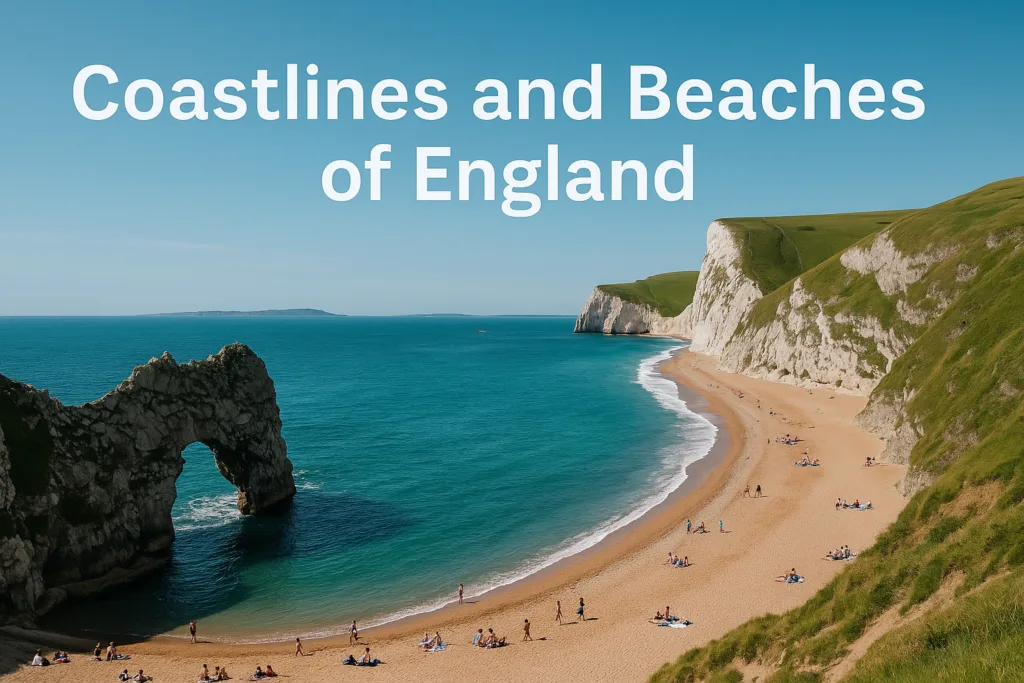
- Durdle Door – iconic limestone arch with a sloping shingle beach.
- Lulworth Cove – near-perfect circular bay, great for short scenic walks./li>
- Chesil Beach – long, curving bank of shingle, backing a lagoon ecosystem.
- Charmouth & Lyme Regis – classic spots for gentle fossil hunting.
It is easy to mix short family walks, beach time and small boat trips here. The area is well signposted, with coastal buses linking villages and trailheads.
Wondering if you need to be a geology expert? Nope. Just wander, look at the cliffs, and let your curiosity do the work.
England’s Beaches Overview
Here is a simple table to help you compare some well-known beaches by region, style and typical vibe. Use it as a starting point when you plan your route.
| Region | Beach | Type | Best for |
|---|---|---|---|
| South Coast | West Wittering | Sandy, dunes | Families, picnics, water sports |
| South Coast | Brighton | Pebble | Cafes, nightlife, short city breaks |
| South West | Fistral (Newquay) | Sandy bay | Surfing, lessons, easy facilities |
| South West | Woolacombe | Long sandy beach | Family holidays, body-boarding |
| Jurassic Coast | Durdle Door | Shingle, dramatic cliffs | Views, photography, short hikes |
| East Coast | Holkham | Wide sandy flats | Long walks, nature, dog-friendly days |
| North & North East | Bamburgh | Sandy with castle views | Scenic walks, quiet escapes |
| North & North East | Robin Hood’s Bay | Small bay | Coastal village stays, rockpools |
Of course, this is only a sample. The real joy of England’s coasltine is finding your own favourite cove or bay as you travel.
What Can You Actually Do on England’s Beaches?
Relaxed beach days
- Spread a towel on sandy bays like Woolacombe, Holkham or West Wittering.
- Swim or paddle in shallow water when local signs show it is safe.
- Enjoy simple pleasures: ice cream, fish & chips, beach games.
Coastal walks
The South West Coast Path and the Northumberland Coastal Path offer marked routes with sea views, birdlife and historic sites along the way.
- Pick short circular routes for half-day trips.
- Combine a morning walk with an afternoon swim.
- Always carry water, simple snacks and a light layer – weather can change fast.
Water sports & adventure
- Surfing – Newquay, Croyde and Sennen are popular spots with rental shops and schools.
- Stand-up paddleboarding – calm estuaries and sheltered bays in Devon, Cornwall and Sussex.
- Sea kayaking – explore caves, arches and hidden coves with guided tours.
Wildlife & gentle exploring
- Seal watching on parts of the Norfolk and Cornish coast.
- Rockpooling with children at low tide – tiny crabs, sea anemones, small fish.
- Boat trips to islands and headlands for seabirds and coastal scenery.
Practical Tips for Enjoying England’s Coast
1. Choose the right season
Summer (June–September) usually offers the warmest water and longest days. Spring and early autumn can still be lovely for walks, with fewer people on the sand.
2. Check tides & local advice
- Many English beaches change a lot with the tide – wide sand at low tide, small strip at high tide.
- Look for local tide boards or check an online tide table before long walks.
- Follow lifeguard flags and safety signs when swimming.
3. Pack for mixed weather
- Light layers (T-shirt, thin jumper, simple waterproof jacket).
- Comfortable shoes or sandals that can handle both sand and paths.
- Sun protection: hat, sunglasses, sunscreen – even on hazy days.
4. Travel kindly
- Use bins or carry rubbish out with you.
- Keep a little distance from wildlife, especially nesting birds and seals.
- Stick to marked paths on dunes and cliffs to protect plants.
Short FAQ About England’s Coastlines and Beaches
Are there truly sandy beaches in England?
Yes. While some famous spots like Brighton are pebbly, places such as Woolacombe, Saunton, Camber Sands, Holkham and many Cornish beaches offer broad, soft sand.
Which part of England is best if I want surf?
The south west, especially Cornwall and North Devon, is the main surf hub, with beaches like Fistral, Croyde and Sennen offering regular Atlantic waves and plenty of surf schools.
Can I combine beach time with walking holidays?
Absolutely. Trails such as the South West Coast Path and the Northumberland Coastal Path allow you to walk between villages, then drop down to beaches for a swim or picnic. Many walkers plan short sections and use local buses or taxis to return to their starting point.
Is the sea warm enough for swimming?
Sea temperatures vary, but in late summer the water can feel pleasant, especially in the south and south west. Many people still prefer a light wetsuit for longer swims. Even a quick dip can be refreshing and memorable when the sun is out.
How do I choose where to start?
Ask yourself a simple question: do you want more energy or more calm? For lively promenades, shops and a city feel, try the south coast. For wild waves and coves, choose the south west. For open, tranquil landscapes, look to the east or far north.